
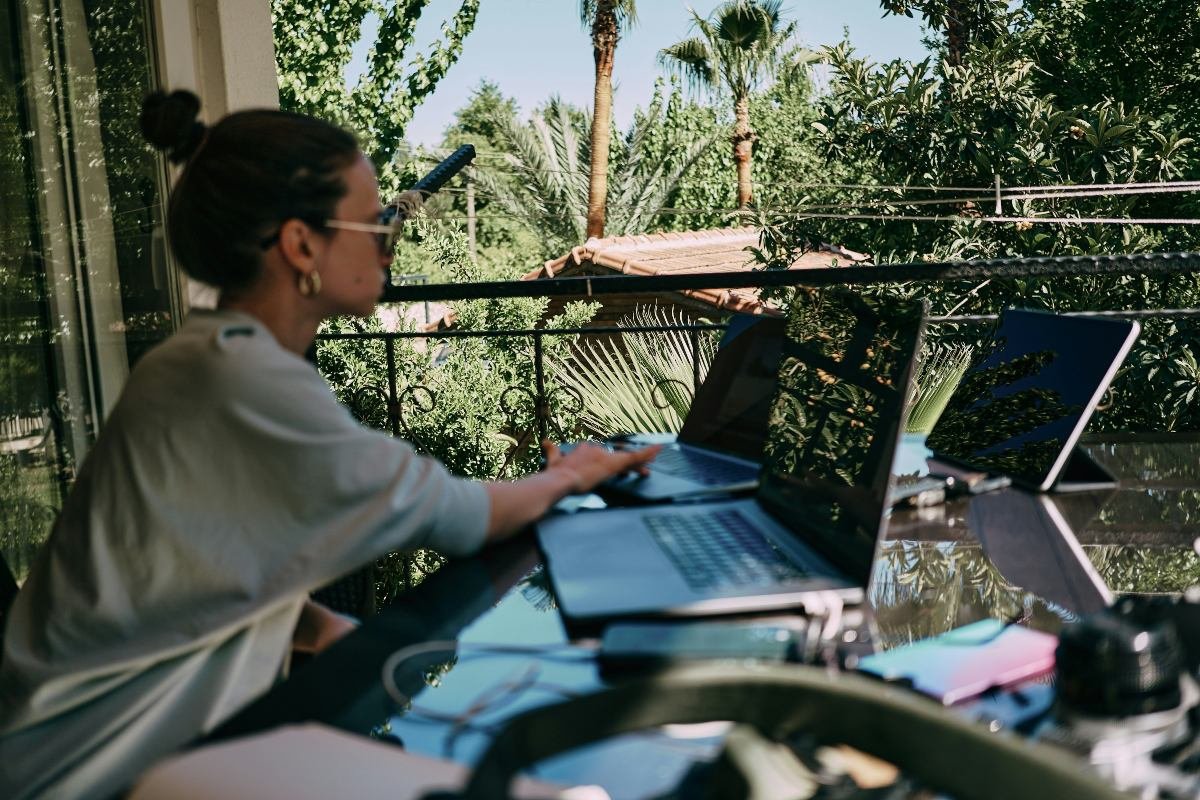
Africa is seeing a growing trend of digital nomadism, driven by lower living costs, improved internet infrastructure, and access to better work-life balance. Once mostly visited by adventure tourists, the continent is increasingly attracting remote professionals seeking new experiences due to its unique blend of rich cultures, affordability, and breathtaking natural beauty.
As a result, the “Mother Continent” has made great strides in recent years to provide a wide range of coliving spaces with reliable Wi-Fi and unique lifestyle offerings. Are you hoping to work at a café surrounded by Cape Town’s peaks? Or finish up a few emails, then swim in the azure-blue waves of a black-sand beach to tick it off your Africa bucket list?
It’s all possible in this hidden gem for digital nomads. Read this guide on the best cities in Africa for digital nomads and what you need to know, from visa considerations, connectivity, to safety tips to settle their nomadic roots.
Nicest Places To Live in Africa That Offer Digital Nomad Visas
Currently, five African countries offer digital nomad visas. Each is home to developing cities that check every box on every digital nomad’s list. From natural beauty to world-class infrastructure, these countries are home to some of the best African cities to live in for remote professionals.
Here is a breakdown of why these are the best cities to live in Africa for remote workers.
1. Cape Town, South Africa
Cost of Living: $$$ (mainly driven by property costs)
Digital nomad visa duration: up to 36 months (renewable)
Top neighborhoods for digital nomads: Green Point, Sea Point, Gardens, De Waterkant
Internet speed: Fast and reliable (~168 Mbps download speed)
Safety: 2.5/5
Attractions and activities for leisure: Beaches, Table Mountain, 5-star restaurants, etc.
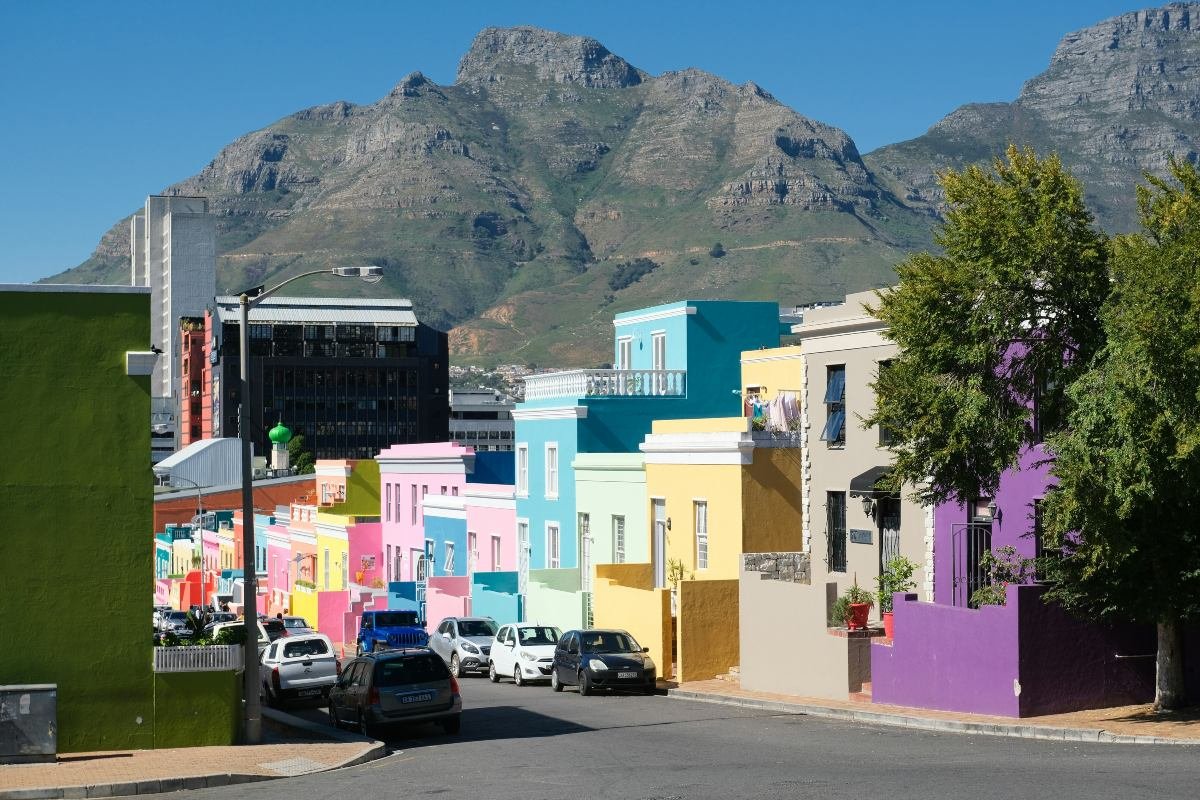
Nicknamed the “Mother City”, Cape Town embraces its role as a nurturing heart, providing warmth to all who call it home.
Popular neighborhoods such as Green Point and Sea Point are perfect for remote workers who want an office near the beach or fast Wi-Fi while working in an artisanal café. These are where you’re more likely to find coworking spaces like Cape Coliving, Ideas Cartel, and Workshop17.
Internet quality and speeds are generally reliable in the city. However, the country experiences occasional network and power disruptions, which could hinder your work. Most places have backup power stations, and private operators provide reliable mobile access. But, it is advisable to have your own backup power banks and Wi-Fi routers in case of a loadshedding disruption.
By global standards, the cost of living here is reasonable for first-world expats, but it’s slightly higher than in most African cities, at R25,000–R35,000 ($1,523–$2,132 USD) per month. Cape Town accommodation costs tend to be high, driven by the property market; however, digital nomads on a budget can easily find a co-living space, hostel, or Airbnb at a reasonable price.
Tip: Check out our list of the many fun things to do in Cape Town.
2. Nairobi, Kenya
Cost of Living: $$
Digital nomad visa duration: 12–24 months (renewable)
Top neighborhoods for digital nomads: Kilimani, Westlands, Karen, and Lavington
Internet speed: Moderate (~66 Mbps download speed)
Safety: 3/5
Attractions and activities for leisure: Wildlife safaris, Maasai markets, coffee farm tours
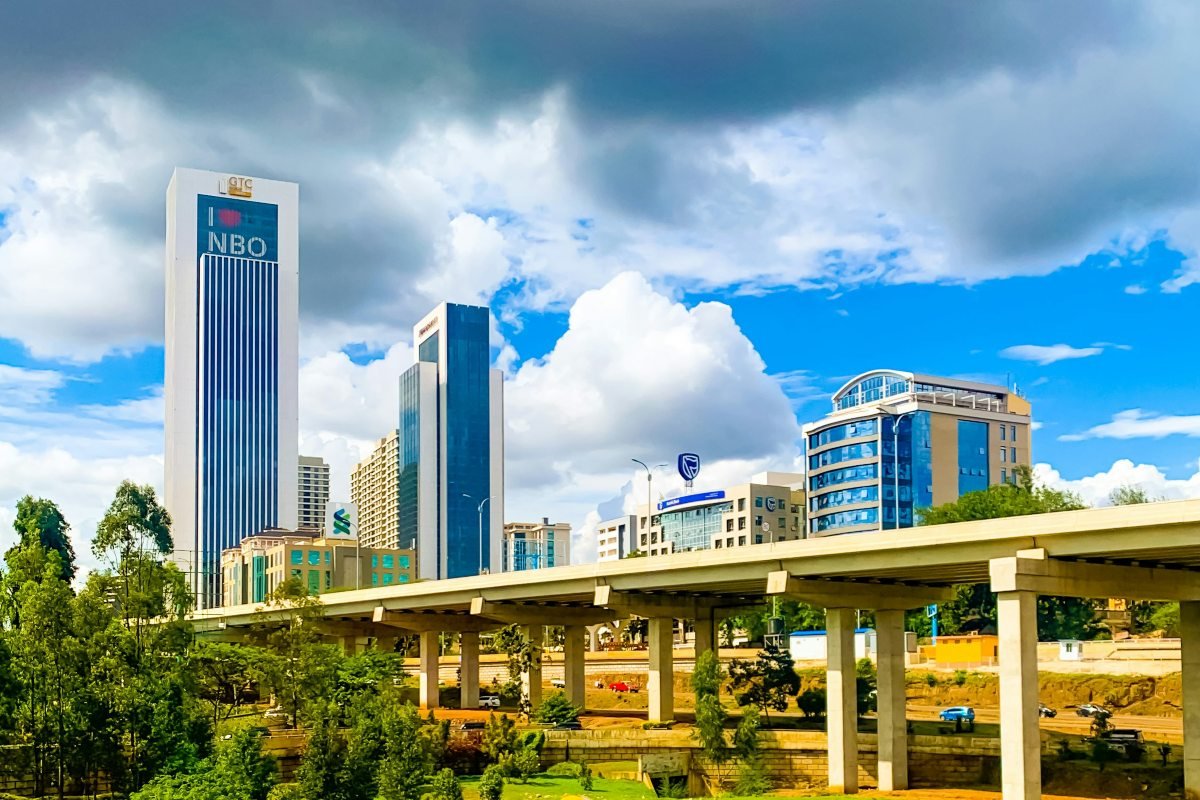
Nairobi is one of the best places to live in Africa for expats as it is a cosmopolitan hub with fast internet, trendy coworking spaces, and good infrastructure.
Although there are concerns about ongoing inflation fluctuations, the cost of living is moderate. Daily expenses for mid-range accommodation, transport, food, and amenities are roughly KES100,000–150,000 ($775–$1,162 USD) per month. Dining is affordable, especially when you buy cooked meals and groceries where the locals do, such as markets and smaller restaurants.
The best neighborhoods to stay in Nairobi include Kilimani and Westlands. Both offer great coworking and social options, like Nairobi Garage and iHub in Kilimani, which are perfect for startups, tech entrepreneurs, and freelancers.
Safety in these expat-friendly neighborhoods is generally good, though vigilance remains essential, particularly at night and in less-trafficked areas.
While the city has fiber and 4G widely available, nomads often secure local SIM cards from providers like Safaricom or Airtel for mobile data backups and steady connectivity.
3. Port Louis, Mauritius
Cost of Living: $
Digital nomad visa duration: 12 months (renewable)
Top neighborhoods for digital nomads: Les Salines, Plaine Verte, and Ward 4
Internet speed: Moderate (~36–65 Mbps download speed)
Safety: 4.5/5
Attractions and activities for leisure: Beaches, boat rides, and botanical gardens
Since Port Louis is the capital of Mauritius, expect to pay more here than in other parts of the country. Still, its pricing is moderate compared to other cities outside of the continent. Expect to pay an average of MUR25,000–30,000 ($540–$650 USD) per month for a moderate living.
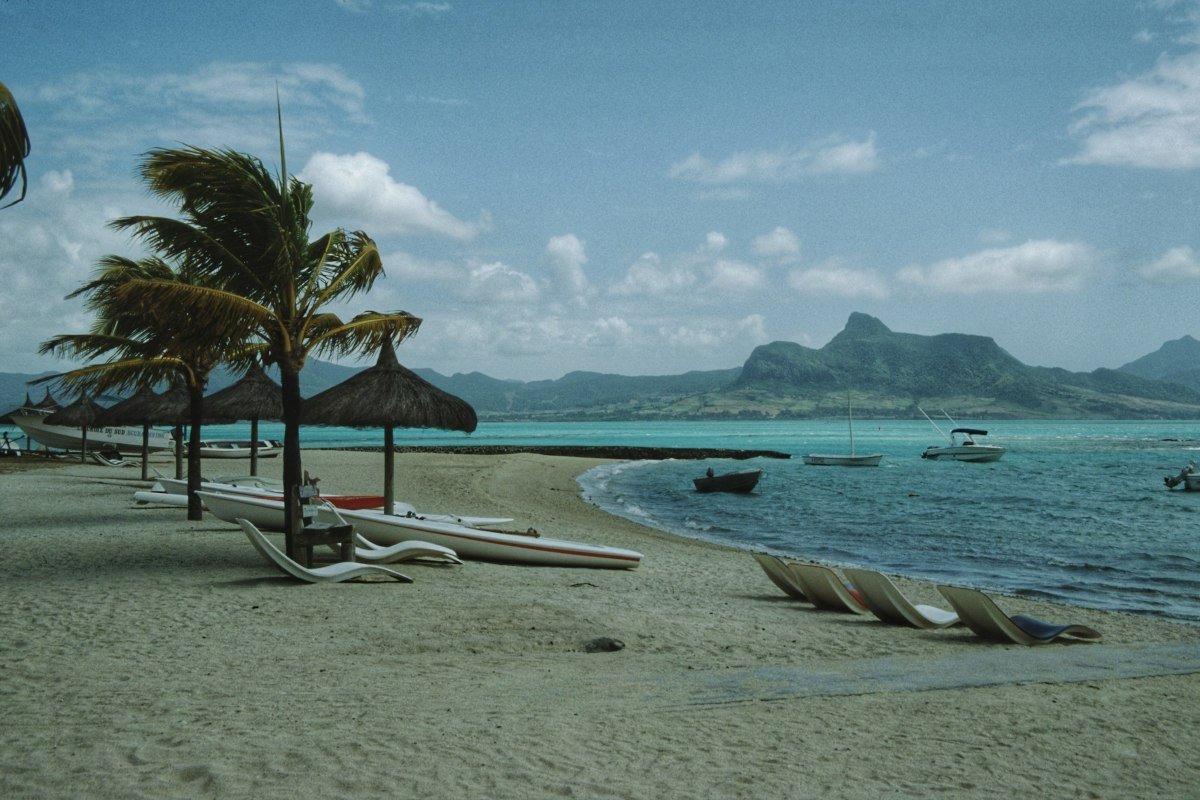
Staying in neighborhoods like Les Salines, Plaine Verte, and Ward 4 ensures you’re close to scenic coastal views, vibrant street life, market scenes, and main attractions.
It’s also where you’ll find most coworking spaces, such as Coworking Port Louis and Regus Mauritius, which offer private offices and fully equipped conference areas.
Mauritius is the safest country in sub-Saharan Africa. Still, it’s best to exercise basic caution as pickpocketing and petty crimes still happen.
4. Windhoek, Namibia
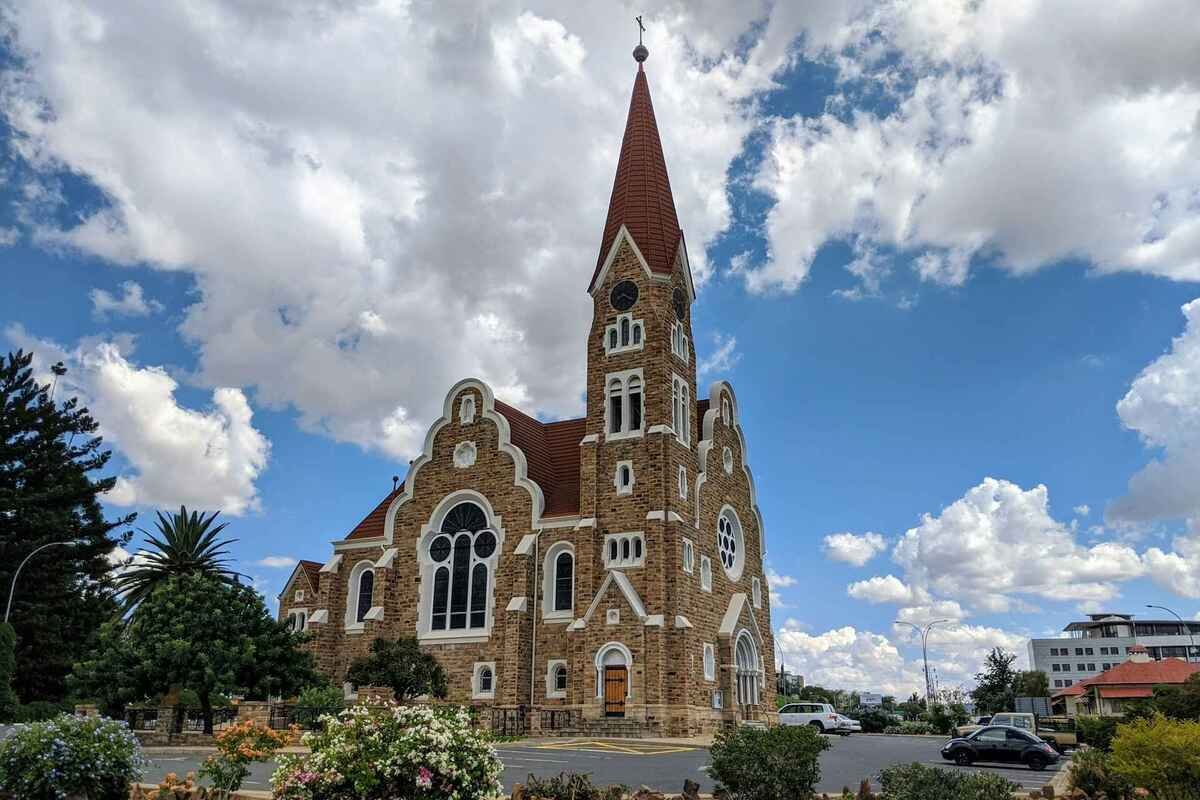
Cost of Living: $$
Digital nomad visa duration: up to 6 months
Top neighborhoods for digital nomads: Klein Windhoek, Eros, Kleine Kuppe, and Ludwigsdorf
Internet speed: Slow (~20–40 Mbps download speed)
Safety: 4/5
Attractions and activities for leisure: Gardens, cultural and historical sites, and sightseeing
Windhoek is relatively affordable, just below the average cost of living in Cape Town at about N$15,000–N$25,000 ($914–$1,524 USD) per month. Meals at modest restaurants are inexpensive, and local SIM cards with data cost around N$50–N$100 ($3–$6 USD) per week for reasonable packages. This contributes to comfortable living without excessive expenses.
The best neighborhoods for digital nomads to make the most of their buck are Klein Windhoek and Eros. But anywhere in the city should be in reasonably proximity to cafés, coworking spaces, and security, since Namibia is pretty safe. This ensures a joyful, peaceful experience.
Windhoek’s coworking scene is slowly growing with spaces like WildWifi, The Village, and The Hub Initiative. Working at these shared spaces also gives you reliable connectivity, as Namibia unfortunately has sluggish internet speeds. Getting an eSIM as a backup is also a good idea.
5. Praia, Cape Verde
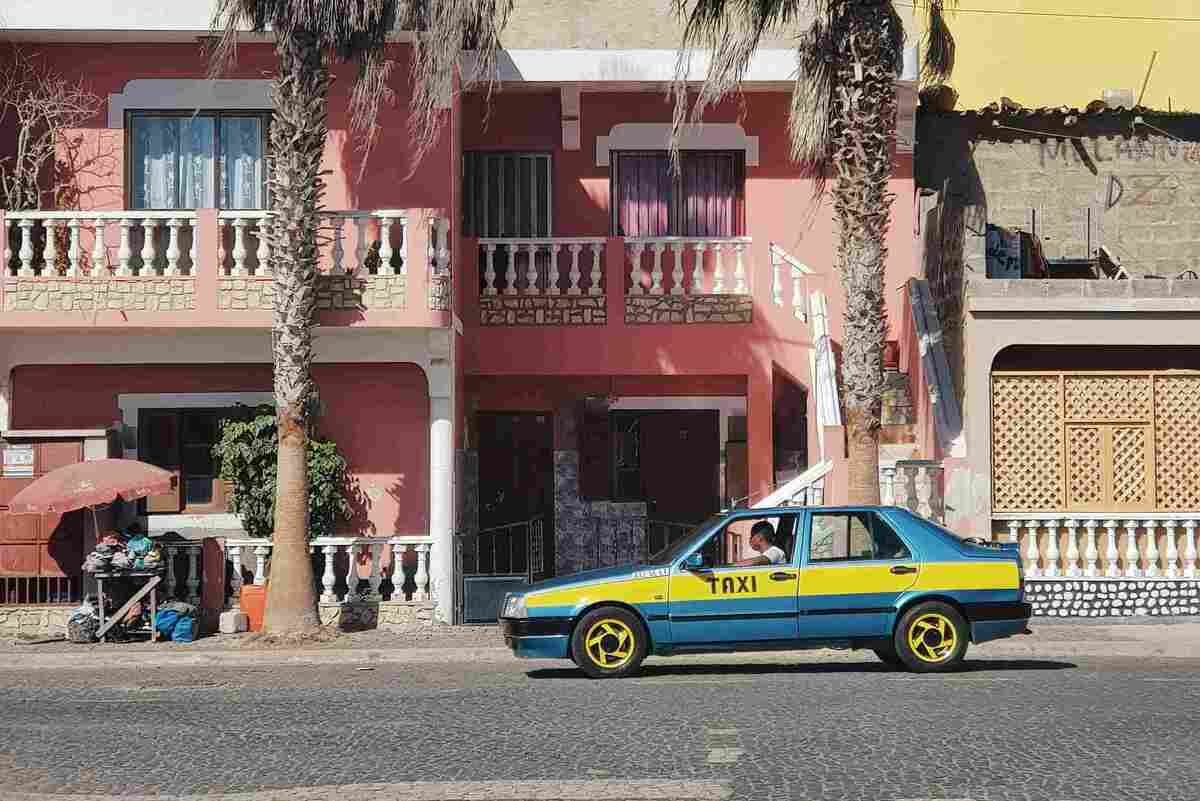
Cost of Living: $$
Digital nomad visa duration: 6 months (renewable)
Top neighborhoods for digital nomads: Plateau, Cidade Velha, Palmarejo, and Achada Santo António
Internet speed: Slow (~17–20 Mbps download speed)
Safety: 4/5
Attractions and activities for leisure: Sightseeing, beaches, and cultural sites.
Cape Verde is an island country off the coast of West Africa. Its laid-back lifestyle, ten volcanic islands, and multiple adventurous water activities are a big draw for digital nomads.
You can maintain a comfortable lifestyle without sacrificing quality of life, as the cost of living is about 34.1% lower than in the United Kingdom. Plan for a budget of about CVE 85,000–150,000 ($908–$1,603 USD) per month. This includes rent for a 1-bedroom apartment in the city center.
Plateau is the heart of the city and thus is the best for cozy cafés, coworking spots, and bustling markets. Its cobbled streets lend the town a classic charm, and it is home to the award-winning Workin’CV coworking offices. You should be able to get a stable connection from here, but speeds can be slow, so getting a data plan is safest.
The island is generally safe as the community is known for its hospitality. Like many places, though, make sure to stay alert at night and be conscious of your surroundings.

Tips for Digital Nomads in Africa
When looking for the best places to move to in Africa as a digital nomad, there are a few things to keep in mind when planning.
Visa Considerations
Digital nomad visa laws vary by country, so make sure to check the latest regulations or policy changes on official sites. As of writing, most African countries that offer digital nomad visas require applicants to have employment abroad and a set amount of funds in their bank account.
Connectivity
As a digital nomad, having fast, reliable internet is non-negotiable. When planning your move, check each country’s internet speed using Speedtest.net to be sure you’ll work effectively there.
Travel
Travel in Africa can be more challenging than, say, South East Asia (SEA) or Europe. But with a bit of extra planning, it’s not impossible.
Here are a few things to keep in mind:
- Flights to the continent can be more pricey compared to other destinations.
- Most cities on this list have good public transport if you stay within the city centers.
- The majority of African countries drive on the right-hand side of the road, except for those that were under British colonial rule, such as South Africa, Kenya, and Mauritius.
Safety tips
When looking for the best places to stay in Africa, safety is definitely a major decision-making factor.
- Depending on the country, you may require specific vaccinations. You can have a look at the guidelines here.
- Avoid feeding wild animals, no matter how cute they seem.
Community Networks and Events in Africa for Digital Nomads
Hoping to network and build connections with fellow digital nomads in Africa? Here are a few events to attend:

FAQs About the Best Places in Africa To Live as a Digital Nomad
Do you still have a few unanswered questions about being a remote worker in the “Mother Continent”? They’re answered below.
Where Do Nomads Live in Africa?
The most popular destination in Africa for digital nomads is Cape Town.
Is South Africa Good for Digital Nomads?
Yes, South Africa is one of the nicest places in Africa for digital nomads, thanks to its outstanding infrastructure, reasonable cost of living, and multiple coworking spaces.
What Is the Safest Country in Africa for Expats?
The safest country on the continent is Mauritius, followed closely by Botswana and Namibia, making these amazing destinations for solo travel.

Best Places to Live in Africa for Digital Nomads
It’s difficult to choose the best city to live in Africa, because the continent is so diverse. But, it’s rapidly becoming a vibrant and attractive destination for digital nomads, offering a unique blend of rich culture, affordability, and natural beauty.
Whether it’s the adventure of island life or bustling urban hubs, Africa offers diverse opportunities for digital nomads seeking new experiences and connections.
Read Next: